Somatic Stress Release: Healing Beyond Traditional Massage
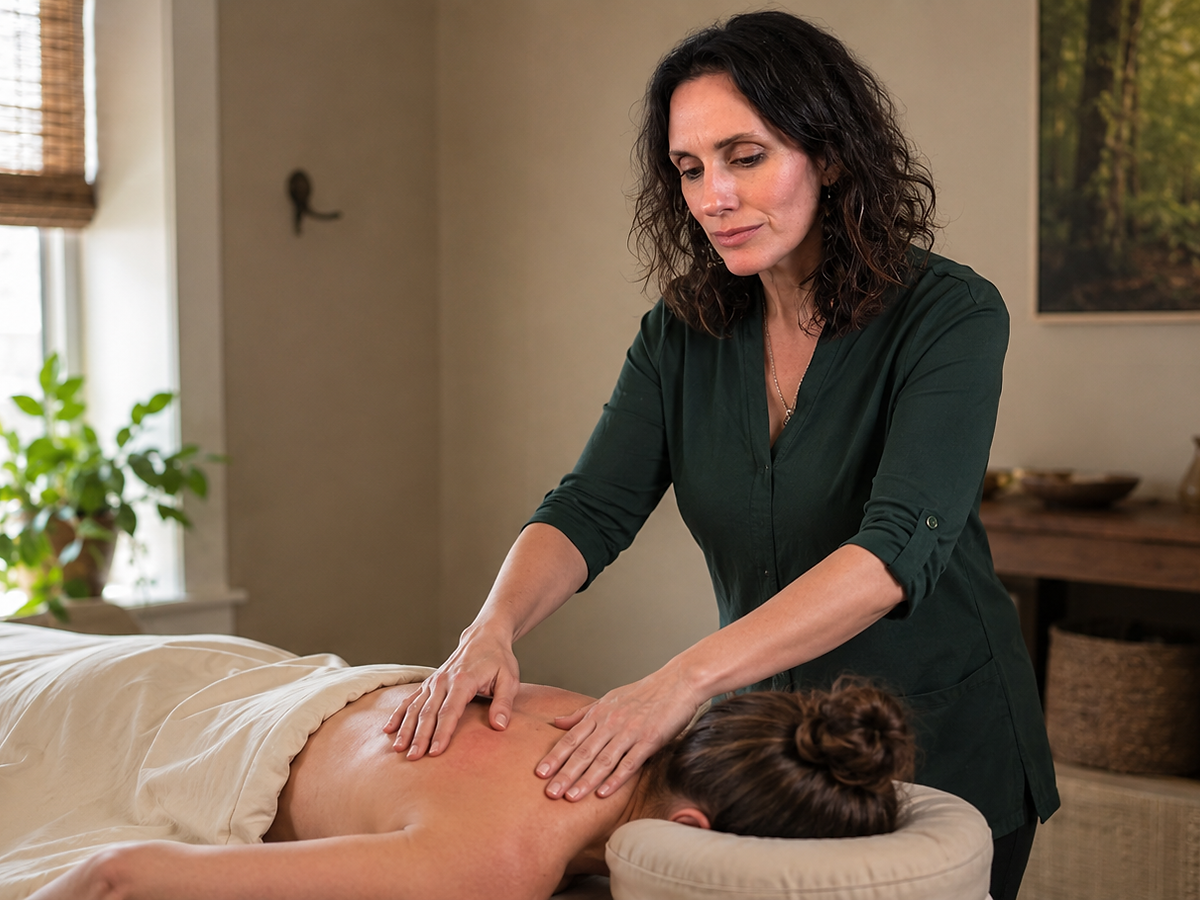
Massage and Somatic Stress Release can both offer powerful ways to reconnect with the body, reduce tension and create space for relaxation. But they approach the body in different ways.
While massage primarily works with the physical body through touch, pressure and movement, Somatic Stress Release invites us to become curious about what we are experiencing underneath the tension.
Sometimes tightness is simply tightness. Our bodies get tired. We sit too long, exercise, work, travel and move through everyday life.
But sometimes our bodies also respond to stress, grief, overwhelm, relationship challenges, fear, anger, loss and experiences that have affected us emotionally.
Somatic Stress Release creates an opportunity to slow down and listen.
Somatic Stress Release is a body-centered practice that brings awareness to physical sensations and the nervous system's responses to stress.
Rather than immediately trying to change or eliminate a sensation, we can begin by noticing it.
Is there tightness, heaviness, pressure, warmth, numbness or discomfort?
What happens when you give that sensation your attention?
This kind of awareness can create a different relationship with the body. Instead of treating the body as something that needs to be fixed, we begin listening to what it may be communicating.
Massage and Somatic Stress Release are not competing practices. In fact, I work with both, and there are times when they can beautifully complement one another.
Massage generally involves hands-on bodywork designed to support relaxation, ease muscular tension and help you reconnect with your physical body.
Somatic Stress Release may involve much less physical touch—or sometimes no touch at all.
Instead, we may work with breath, body awareness, sensation, gentle movement, grounding, emotional awareness and other practices that help you become more conscious of what is happening within you.
The intention isn't simply to make a tense muscle relax. It is to become curious about the whole experience of tension—physical, emotional and nervous-system related.
There are times when physical sensations seem connected with something happening emotionally.
You might notice your shoulders tightening during periods of responsibility or overwhelm.
Your chest may feel constricted when you are grieving.